
Human Resource Management Information Systems (HRMIS) are vital for modern organizations. They streamline HR tasks and improve efficiency.
But, like any tool, they have their advantages and disadvantages. HRMIS helps manage employee data, payroll, and recruitment processes. It offers many benefits, including time savings and better data accuracy. However, it’s not perfect. There are challenges like high costs and security concerns.
Understanding both the pros and cons helps in making informed decisions. This discussion provides a balanced view, helping you decide if HRMIS is right for your organization.
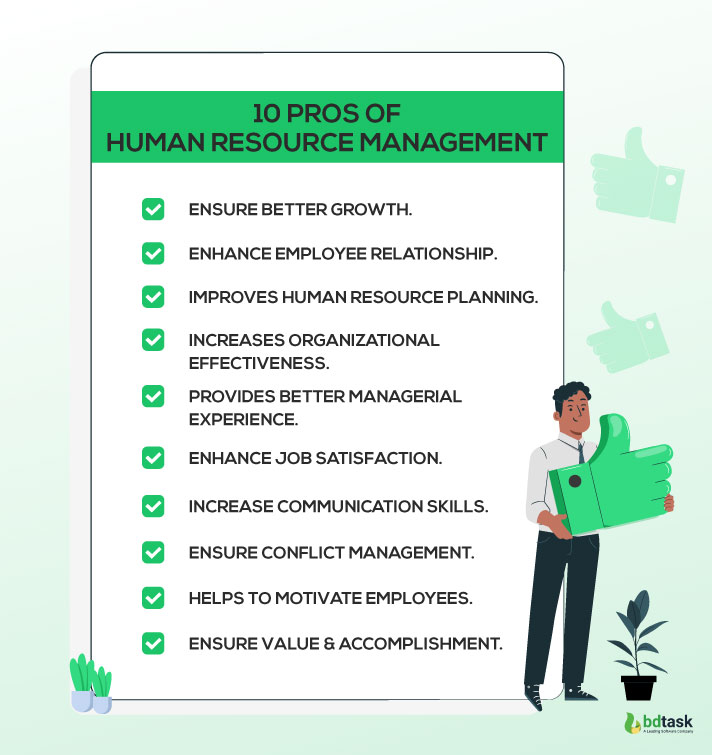
Credit: www.bdtask.com
Introduction To Hr Management Systems
Human Resource Management Systems (HRMS) play a vital role in today’s workplaces. These systems streamline HR tasks and improve efficiency. They automate processes and store employee data securely. They also help manage benefits, payroll, and performance reviews. HRMS tools have become essential for many organizations.
Importance In Modern Organizations
HRMS tools save time and reduce errors. They help HR teams focus on strategic tasks. These systems improve decision-making with real-time data. They enhance employee experience by providing easy access to information. HRMS tools also ensure compliance with labor laws and regulations.
Evolution Over Time
HRMS tools have evolved significantly. Early systems were paper-based and manual. They were time-consuming and prone to errors. The introduction of computers made HR tasks easier. Digital systems replaced manual processes. Cloud-based HRMS tools are now common. They offer flexibility and scalability. Mobile access has further enhanced their usability. Today’s systems are more user-friendly and efficient.

Credit: ch.pinterest.com
Benefits Of Hr Management Systems
Human Resource Management Information Systems (HRMIS) offer several advantages. They help companies manage their workforce more effectively. These systems streamline processes, enhance data accuracy, and ensure security.
Efficiency And Productivity
HR Management Systems automate repetitive tasks. This reduces the workload on HR staff. The systems handle tasks like payroll, attendance, and benefits management. Automation saves time and reduces errors.
HR staff can focus on strategic tasks. They can spend more time on employee development and engagement. This boosts overall productivity. Companies can achieve more with the same resources.
Data Accuracy And Security
HR Management Systems improve data accuracy. Manual entry often leads to errors. Automated systems reduce these mistakes. Accurate data helps in better decision-making. It also ensures compliance with regulations.
Security is another key benefit. HR systems store sensitive employee information. These systems use encryption and other security measures. This protects data from unauthorized access.
Here is a comparison of traditional HR methods and HRMIS:
| Aspect | Traditional HR Methods | HR Management Systems |
|---|---|---|
| Task Handling | Manual and Time-consuming | Automated and Quick |
| Data Accuracy | Prone to Errors | High Accuracy |
| Security | Low | High |
HR Management Systems provide a reliable and secure way to manage HR tasks. They enhance efficiency, productivity, data accuracy, and security. These benefits make HRMIS an essential tool for modern businesses.
Improved Decision Making
Improved decision-making is a significant advantage of using Human Resource Management Information Systems (HRMIS). These systems provide accurate and timely data, helping HR teams make informed choices. With comprehensive data at their fingertips, HR professionals can analyze trends and predict outcomes, enhancing overall efficiency and effectiveness.
Data-driven Insights
HRMIS offers detailed reports and analytics. These tools help HR teams understand employee performance and satisfaction. By examining this data, HR can identify areas needing improvement. Data-driven insights also help in recognizing high performers. This can lead to better reward and recognition programs.
Strategic Planning
Strategic planning becomes easier with HRMIS. The system provides valuable data on workforce trends. This helps in planning future hiring needs and training programs. HR can forecast staffing requirements based on current data. This ensures the right number of employees at all times.
HRMIS also supports succession planning. It identifies potential leaders within the organization. This helps in grooming them for future roles. By using HRMIS, companies can ensure a steady pipeline of talent.
Enhanced Employee Experience
The Enhanced Employee Experience is a significant benefit of using Human Resource Management Information Systems (HRMIS). These systems streamline processes and provide employees with tools that improve their work life. Let’s explore how HRMIS enhances the employee experience through self-service portals and career development tools.
Self-service Portals
Self-service portals empower employees to manage their own information. With these portals, employees can:
- Update personal details
- Access pay stubs
- Request time off
This reduces the need to contact HR for simple tasks, saving time for both employees and HR staff. It also gives employees more control over their own data. This leads to increased satisfaction and trust in the organization.
Career Development Tools
HRMIS often includes career development tools that help employees grow within the company. These tools can offer:
- Training modules
- Skill assessments
- Career path planning
Employees can identify their strengths and areas for improvement. They can also see potential career paths and the skills needed for advancement. This motivates employees to pursue new opportunities within the company.
These tools also help HR identify top talent. They can use this information to create targeted development plans. This ensures that employees are continually growing and contributing to the company’s success.
Challenges Of Hr Management Systems
Challenges of HR Management Systems are many. Organizations often face difficulties. These systems can streamline processes. Yet, they bring their own set of problems. Below, we explore some of these challenges. We focus on high implementation costs and complexity and integration issues.
High Implementation Costs
HR management systems can be expensive. Initial setup often requires a significant investment. Small businesses might struggle with these costs. Maintenance and updates add to the expense. Many companies find the financial burden heavy. The return on investment may take time. This can be discouraging for new users. Cost is a major hurdle for many organizations.
Complexity And Integration Issues
HR systems can be very complex. They require proper integration with existing tools. Compatibility issues often arise. This can disrupt daily operations. Training staff on new systems takes time. Employees may find the new processes confusing. Mistakes can lead to data loss. Proper integration is crucial for success. Complexity can deter organizations from adopting these systems.
Privacy And Data Security Concerns
Privacy and data security concerns are pivotal when using a Human Resource Management Information System (HRMIS). These concerns impact both employees and the organization. Effective management of these issues ensures trust and compliance. Let’s explore the key areas of concern.
Sensitive Information Risks
HRMIS stores sensitive employee information. This includes personal details, financial data, and health records. Unauthorized access to this data can lead to identity theft. It can also result in financial loss and damage to the company’s reputation.
Data breaches are a significant risk. Hackers target HR systems for valuable information. Weak passwords and lack of encryption increase this risk. Regular security audits and updates are essential. Training employees on data security can help mitigate these risks.
Compliance With Regulations
Organizations must comply with data protection laws. These regulations vary by country and industry. Non-compliance can result in heavy fines. It can also lead to legal battles and loss of trust.
Regular updates to the HRMIS are necessary. This ensures compliance with changing laws. Proper documentation and audit trails help in maintaining transparency. Employee consent is also crucial. It is important to inform them about data collection and usage.
Resistance To Change
Resistance to change is a common challenge in many organizations. Implementing a Human Resource Management Information System (HRMIS) often meets this resistance. Employees may feel uncertain about new technology. They may worry about their ability to adapt. These feelings can slow down the adoption process.
Employee Adaptation
Employees may struggle to adapt to the HRMIS. They may feel overwhelmed by the new system. This can lead to frustration and decreased productivity. Some employees may prefer traditional methods. They may resist the shift to digital processes. This hesitation can create a divide within the workforce.
Training And Support Needs
Proper training is essential for successful HRMIS implementation. Employees need to understand how to use the new system. This requires time and resources. Ongoing support is also necessary. Employees may have questions or face issues. Quick and effective support can ease their concerns. Regular updates and training sessions can help maintain proficiency.

Credit: www.semanticscholar.org
Future Trends In Hr Management Systems
The landscape of Human Resource Management Systems (HRMS) is evolving rapidly. The future holds exciting trends that promise to transform how businesses handle HR tasks. These trends focus on enhancing efficiency and adapting to new work environments.
Ai And Automation
Artificial Intelligence (AI) and automation are set to play a significant role in HRMS. AI can streamline recruitment by scanning resumes and identifying the best candidates. Automation can handle repetitive tasks such as payroll and attendance tracking.
This not only saves time but also reduces human error. HR professionals can then focus on more strategic tasks. AI can also assist in employee training through personalized learning paths.
Consider the following benefits of AI and automation in HR:
- Improved efficiency and accuracy
- Enhanced decision-making through data analytics
- Reduced operational costs
Remote Work Adaptations
Remote work is becoming more common. HRMS need to adapt to support this shift. These systems can help manage remote teams by providing tools for communication and collaboration.
Features like virtual onboarding and online training modules are essential. They ensure that remote employees feel connected and supported. HRMS can also track remote work performance and productivity.
Key adaptations for remote work include:
- Cloud-based access to HR tools
- Integration with collaboration platforms
- Remote performance monitoring and feedback
By staying ahead of these trends, businesses can ensure their HR practices are efficient and adaptable. The future of HRMS promises to be both exciting and transformative.
Frequently Asked Questions
What Are The Pros Of Hr Management Systems?
HR management systems streamline administrative tasks, enhance employee management, and improve data accuracy. They enable better decision-making with real-time analytics. These systems also ensure compliance with labor laws and regulations, reducing legal risks.
What Are The Cons Of Hr Management Systems?
HR management systems can be expensive to implement and maintain. They require training and may face resistance from employees. Data security is a concern, and technical issues can disrupt operations.
How Do Hr Systems Improve Efficiency?
HR systems automate repetitive tasks, saving time and reducing errors. They centralize data, making information easily accessible. This improves overall efficiency and productivity within the organization.
Are Hr Systems Cost-effective?
HR systems can be cost-effective in the long run by reducing administrative costs and improving efficiency. However, initial implementation and maintenance can be expensive.
Conclusion
Balancing the pros and cons of Human Resource Management Information is crucial. Benefits include better organization and efficiency. Yet, it can be expensive and complex. Weighing these factors helps in making informed decisions. Choose what aligns with your business needs.
Proper evaluation ensures the best outcome. The right system can improve HR tasks. Make sure to consider all aspects carefully. This helps in achieving smoother operations.