Human Resources (HR) and Human Resources Management (HRM) are often confused. They seem similar but have distinct roles.
Understanding the difference between HR and HRM is crucial. It helps businesses run smoothly and manage employees effectively. HR refers to the people in a company, the workforce. It includes everyone from entry-level staff to executives. Human Resources Management, on the other hand, is the process of managing this workforce.
It involves strategies, policies, and procedures to enhance employee performance and satisfaction. Knowing these differences can help you appreciate the importance of both. This knowledge is key to improving workplace dynamics and achieving organizational goals. Let’s delve deeper into what sets HR and HRM apart.
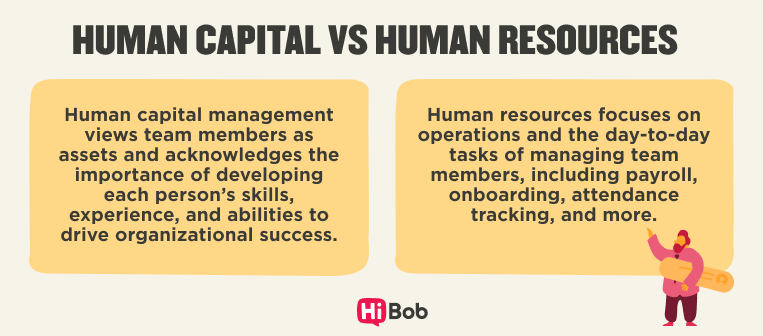
Credit: www.hibob.com
Core Functions
Understanding the core functions of Human Resources (HR) and Human Resources Management (HRM) is essential. Both areas are vital in an organization, but they serve different purposes. Let’s explore the key functions under each.
Recruitment And Selection
Human Resources (HR) focuses on finding and hiring the best talent. The main goal is to fill job vacancies quickly. HR professionals create job descriptions, post ads, and screen resumes. They also conduct initial interviews and coordinate with hiring managers.
Human Resources Management (HRM) takes a more strategic approach. HRM ensures that recruitment aligns with the company’s long-term goals. This involves workforce planning and identifying future skill needs. HRM also emphasizes a strong employer brand to attract top talent.
Employee Relations
Human Resources (HR) handles day-to-day employee issues. This includes addressing grievances, conflicts, and complaints. HR aims to maintain a positive work environment. They implement policies and ensure compliance with labor laws.
Human Resources Management (HRM) focuses on fostering a healthy organizational culture. HRM develops programs that boost employee morale and engagement. They also design initiatives to improve communication and collaboration. HRM aims for a long-term, harmonious workplace.
| Function | HR | HRM |
|---|---|---|
| Recruitment and Selection | Fill vacancies quickly, screen resumes, conduct interviews. | Strategic workforce planning, align with long-term goals. |
| Employee Relations | Handle grievances, ensure compliance with laws. | Develop culture, boost morale and engagement. |
Strategic Focus
Understanding the strategic focus of Human Resources (HR) and Human Resources Management (HRM) is essential. It helps us see how these roles impact an organization. Let’s explore how HR and HRM differ in their strategic focus.
Hr As Administrative Function
HR focuses on administrative tasks. These include payroll, employee records, and compliance with labor laws. It ensures that basic employee needs are met. HR works to keep the workplace running smoothly. This role is often seen as a support function.
HR handles recruitment and onboarding. They manage benefits and compensation. HR also deals with employee grievances and disciplinary actions. These tasks are crucial for daily operations.
Hrm As Strategic Partner
HRM takes a broader view. It aligns HR practices with the company’s goals. HRM looks at the long-term impact of HR decisions. This role involves planning and strategy. HRM aims to improve overall business performance.
HRM focuses on talent management. This includes developing and retaining top talent. HRM uses data and analytics to make informed decisions. They work closely with other departments. HRM ensures that the workforce supports the company’s strategic objectives.
Role In Organizational Development
The role of Human Resources (HR) and Human Resources Management (HRM) in organizational development is vital. These functions help shape the workforce and drive the company’s success. Understanding their distinct roles can provide clarity on how each contributes to organizational growth.
Hr’s Role
Human Resources focuses on the administrative tasks of managing employees. This includes recruitment, payroll, and employee benefits. The primary goal is to ensure that the company has the right talent in place.
- Recruitment: HR teams attract and select the best candidates.
- Payroll: They manage employee salaries and benefits.
- Employee Relations: HR handles grievances and workplace conflicts.
HR plays a crucial part in maintaining the daily operational needs. They ensure employees are happy and productive, which supports organizational development.
Hrm’s Role
Human Resources Management goes beyond basic HR functions. HRM focuses on strategic planning and long-term goals. They align the workforce with the company’s vision.
- Strategic Planning: HRM develops plans to meet future workforce needs.
- Performance Management: They implement systems to evaluate and improve employee performance.
- Training and Development: HRM ensures continuous employee growth and skill enhancement.
HRM’s role is more strategic. They look at the bigger picture and ensure the workforce evolves with the company’s goals. This strategic approach helps in fostering organizational development.
In summary, while HR focuses on the immediate needs of the workforce, HRM looks at long-term growth and strategic alignment. Both are essential for the sustained development of an organization.

Credit: www.youtube.com
Performance Management
Performance management is crucial for a company’s success. It ensures employees meet goals and improve over time. Both Human Resources (HR) and Human Resources Management (HRM) play roles in this area.
Hr Tasks
- Record Keeping: HR maintains records of employee performance.
- Administrative Support: HR handles documentation for performance reviews.
- Compliance: Ensuring that performance reviews follow legal standards.
- Data Collection: Gathering performance data for analysis.
Hrm Tasks
- Strategy Development: HRM develops performance improvement strategies.
- Training Programs: HRM creates training for skill enhancement.
- Goal Setting: HRM sets clear, measurable goals for employees.
- Feedback Systems: HRM implements continuous feedback systems.
In essence, HR focuses on administrative and compliance tasks. HRM, on the other hand, is more strategic. HRM aims to improve employee performance and drive growth. Understanding these differences can help in managing performance effectively.
Training And Development
Training and Development are essential aspects of any organization. They focus on improving employees’ skills and knowledge. These aspects help in enhancing overall productivity. While Human Resources (HR) and Human Resources Management (HRM) both focus on training and development, their roles differ significantly.
Hr Responsibilities
HR is responsible for identifying the training needs of employees. They often conduct surveys and feedback sessions. Based on this data, they create a list of required training programs. Here are some key responsibilities:
- Conducting employee surveys and feedback sessions.
- Identifying skill gaps and training needs.
- Coordinating with trainers and scheduling sessions.
- Maintaining records of training programs attended by employees.
HR plays a supportive role in ensuring that employees receive the necessary training. They focus on the logistical aspects of training programs.
Hrm Responsibilities
HRM takes a more strategic approach to Training and Development. They align training programs with the organization’s goals. HRM responsibilities include:
- Developing a training strategy that aligns with business objectives.
- Designing customized training programs for different departments.
- Evaluating the effectiveness of training programs.
- Ensuring continuous learning opportunities for employees.
HRM focuses on the strategic impact of training. They ensure that training contributes to the overall growth of the organization. The main aim is to enhance employee performance and achieve long-term goals.
In summary, HR handles the operational side of training. They ensure that training programs are conducted smoothly. On the other hand, HRM focuses on the strategic importance of training. They align it with the company’s objectives to ensure long-term success.
Compliance And Regulations
Understanding the difference between Human Resources (HR) and Human Resources Management (HRM) is crucial. One significant aspect is compliance and regulations. Both HR and HRM must adhere to specific rules, but their approaches differ.
Hr Compliance
HR compliance involves following employment laws and regulations. It ensures that the company stays within legal boundaries. This includes:
- Maintaining accurate employee records
- Ensuring fair hiring practices
- Adhering to wage and hour laws
HR professionals focus on compliance to avoid legal issues. They ensure that the company follows all relevant labor laws. This is essential to prevent fines and lawsuits. HR teams often conduct audits to check compliance. They update policies to meet changing laws. They also train employees on compliance topics.
Hrm Compliance
HRM compliance goes beyond following laws. It integrates compliance into the strategic management of the company. This includes:
- Developing comprehensive compliance strategies
- Aligning compliance with company goals
- Implementing robust compliance systems
HRM professionals ensure compliance aligns with the company’s vision. They work closely with executives to create a compliance culture. This proactive approach helps in risk management. HRM teams use technology to monitor compliance. They create detailed reports for top management. This helps in making informed decisions.
Both HR and HRM play vital roles in compliance. HR handles the operational aspects. HRM focuses on strategic integration. Together, they ensure the company remains compliant and competitive.
Technology And Innovation
Technology and innovation have transformed many areas, including Human Resources (HR) and Human Resources Management (HRM). Both fields leverage technology to improve efficiency and effectiveness. But there are distinct differences in the tools each uses.
Hr Tools
HR tools help with daily tasks like recruiting, onboarding, and payroll. These tools automate repetitive tasks, saving time and reducing errors. Job boards and applicant tracking systems (ATS) streamline hiring. Payroll software ensures accurate and timely payments.
HR tools also include performance management systems. These track employee progress and set goals. Learning management systems (LMS) provide training and development. HR tools make administrative tasks easier and faster.
Hrm Tools
HRM tools focus on strategic management of human resources. They help in planning, analyzing, and optimizing HR functions. Human Resource Information Systems (HRIS) integrate various HR activities into one platform. These systems manage employee data, benefits, and compliance.
HRM tools also include analytics software. They provide insights into workforce trends and performance. This helps in making informed decisions. Talent management systems (TMS) help identify and develop top talent. HRM tools align HR activities with business goals.

Credit: www.linkedin.com
Frequently Asked Questions
What Is Human Resources?
Human Resources (HR) refers to the department responsible for managing employee-related functions. This includes hiring, onboarding, training, and employee relations. HR ensures compliance with labor laws and company policies.
What Is Human Resources Management?
Human Resources Management (HRM) involves strategic planning and management of HR functions. HRM focuses on optimizing employee performance and aligning HR strategies with business goals.
How Do Hr And Hrm Differ?
HR focuses on administrative tasks like hiring and compliance. HRM is strategic, aiming to improve employee performance and align HR practices with organizational goals.
Why Is Hrm Important?
HRM is crucial for aligning human resources with business objectives. It enhances employee performance, boosts productivity, and fosters a positive work environment, driving organizational success.
Conclusion
Human Resources (HR) focuses on employee-related tasks and support. Human Resources Management (HRM) involves planning, organizing, and overseeing HR functions. Both are vital for any organization. HR handles recruitment and employee relations. HRM ensures strategic alignment with company goals. Understanding these differences improves workplace efficiency.
It helps in better managing employees and resources. Both HR and HRM work together for a productive workforce. Clear roles lead to smoother operations. So, knowing their distinctions benefits businesses greatly.